Seasons
of the Nagara River
The Nagara River Basin transforms with the seasons, from cherry blossoms in spring to cormorant fishing under summer nights, vibrant autumn colors, and quiet winter landscapes.
Each season brings not only a change in scenery, but also in local culture, food, and daily life shaped by the river.


Spring
Mar - May
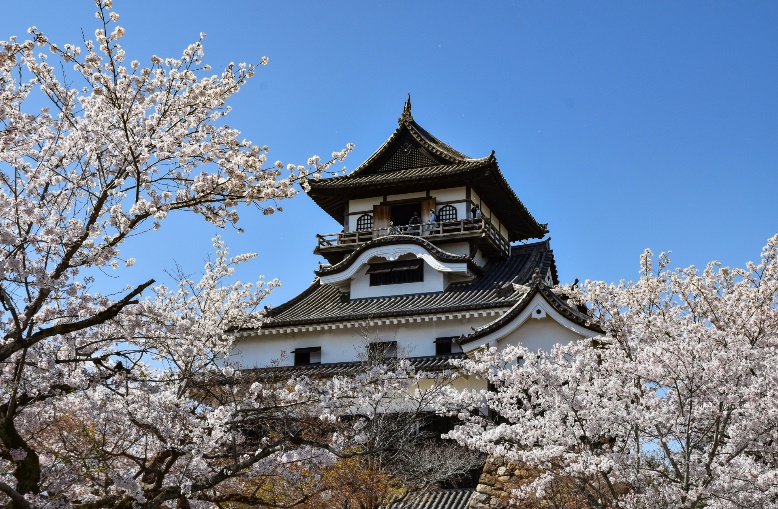
In spring, Gifu Park becomes a riverside gallery of cherry blossoms beneath historic Gifu Castle. Visitors can stroll with a handcrafted cherry-blossom wagasa, adding grace to the scenery. A festival with 1,900 years of history fills the streets with ornate dashi floats, traditional music, and karakuri puppets. Unlike Kyoto or Takayama, the celebration feels intimate, shared closely with locals. Later, Mount Kinka glows gold as chinquapin flowers bloom, offering sweeping views of the river and city.



Summer
Jun - Aug
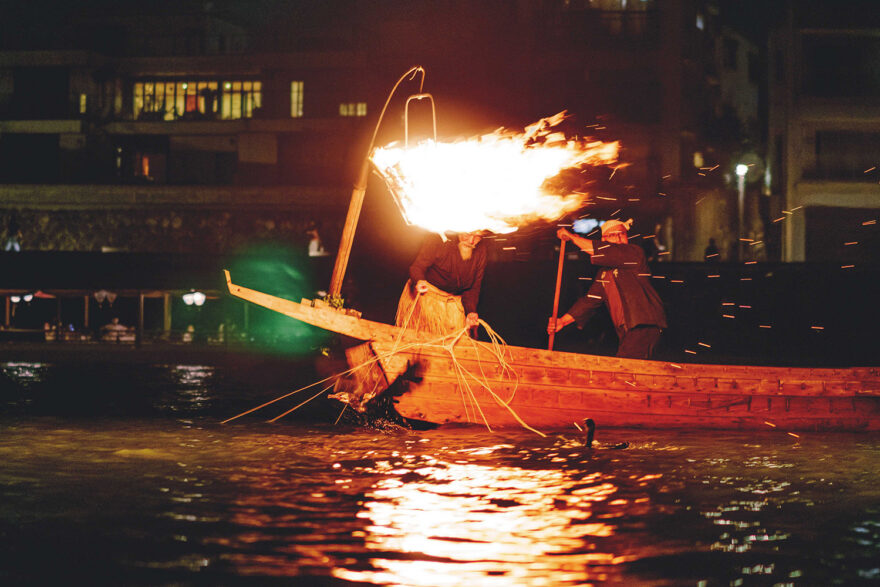
Summer on the Nagara River invites you into crystal-clear, shallow waters where every stone is visible and families can swim safely in the heart of the city. From May to October, fireworks announce nightly ukai, a 1,300-year tradition beneath Gifu Castle, as torchlit boats drift downstream and masters guide cormorants like artists. Complete the season with fragrant ayu, the sweetfish known for its delicate watermelon-like aroma.


Autumn
Sep - Nov
Autumn along the Nagara River is made for cycling, with mild 17–23°C days and mountain colors reflected in crystal-clear water. Ride an electric bike beside the river, then find quiet beauty in temple gardens far from Kyoto's crowds. At Daiichiji Temple, a 700-year-old cypress rises above moss and crimson leaves, with no queues or admission fee. Along the banks, watch local fishermen read the currents and cast their nets in a seasonal river tradition.


Winter
Dec - Feb
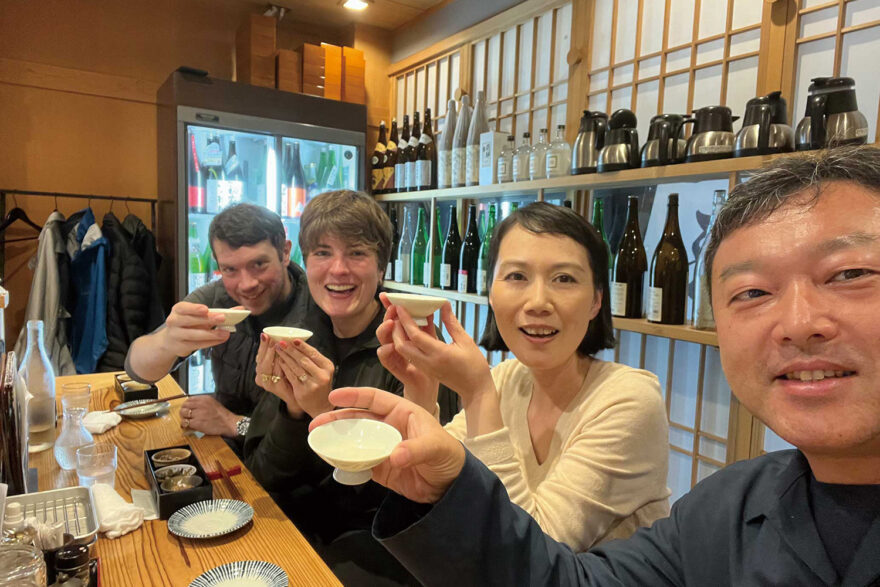
In winter, Gifu Castle and Mount Kinka are softly covered in snow, standing out against a clear blue sky. After a brisk morning walk, visitors can warm themselves in the iron-rich waters of Nagaragawa Onsen, whose rust-colored mineral springs heat the body deeply. The day ends with atsukan, warm local sake that reveals richer flavors on cold nights. Each January, winter illuminations fill the castle grounds with glowing wagasa umbrellas and chochin lanterns, turning bamboo and washi paper into magical light.